
Scientists may be underestimating how plants will respond to rising global temperatures when they study hot summers but not warming winters, Michigan State University ecologists found.
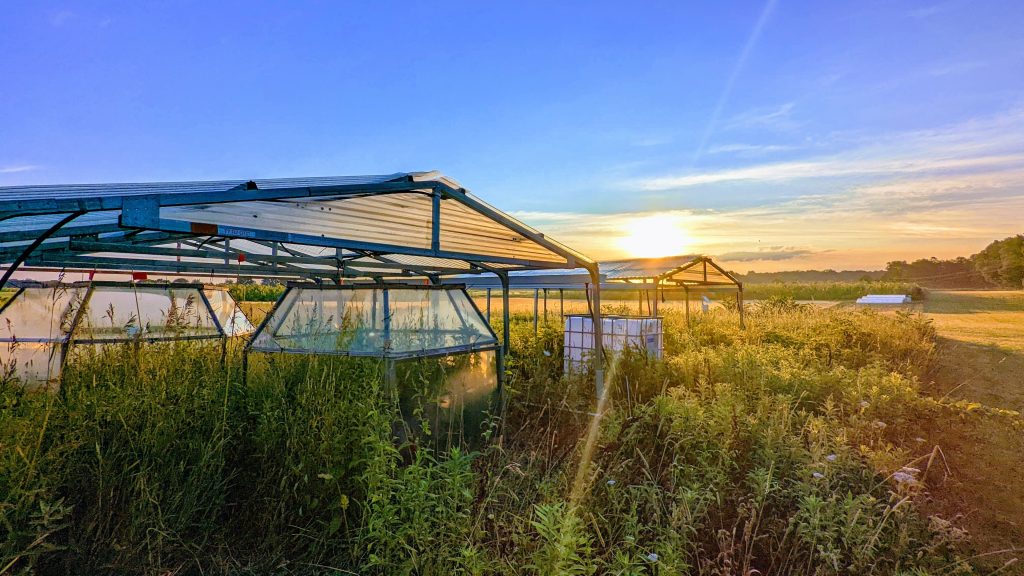
An MSU team synthesized data from 126 simulated warming experiments from across the globe to provide insights into how plants respond to a hotter climate. In their findings, now published in Global Change Biology, they learned that experiments with warming only during summer months showed less-pronounced results than year-round experiments. This could mean that summer-only experiments don’t account for the important effects of winter warming and may provide conflicting results.
The study also unveiled a lack of research on the effects of warming on non-native species, potentially hindering scientists’ ability to understand how these species respond to climate change. The authors identified knowledge gaps in current studies, suggesting that future warming experiments should last longer to allow for multiple seasons and years of warming.
“This important global synthesis of warming effects on plants across many ecosystems can be used to inform models of future impacts,” said Phoebe Zarnetske, an author and professor in MSU’s Integrative Biology department and Ecology, Evolution and Behavior, or EEB, Program. “We hope to inspire more experiments to fill knowledge gaps of climate change impacts on plants and their communities.”
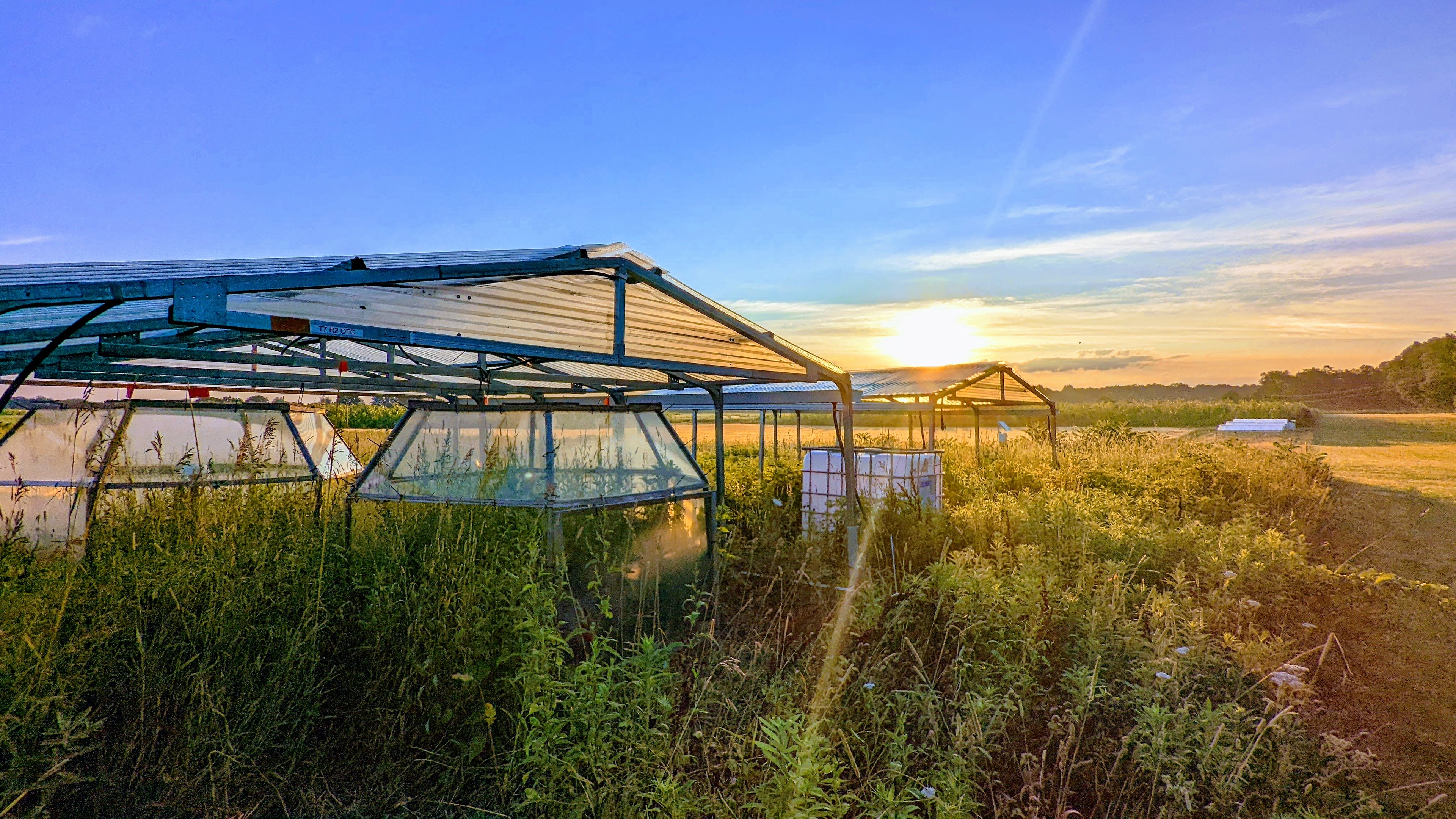
Zarnetske is also principal investigator of the Spatial and Community Ecology Lab (SpaCE Lab), whose long-term and year-round warming experiment at Kellogg Biological Station’s Long-Term Ecological Research, or LTER, site was one of the 126 sites in the meta-analysis. Its first seven years were summarized in a recent publication.
Understanding global changes
Around the world, researchers are working together through coordinated efforts, such as the LTER network, to better understand how plants respond to global changes across different environments.
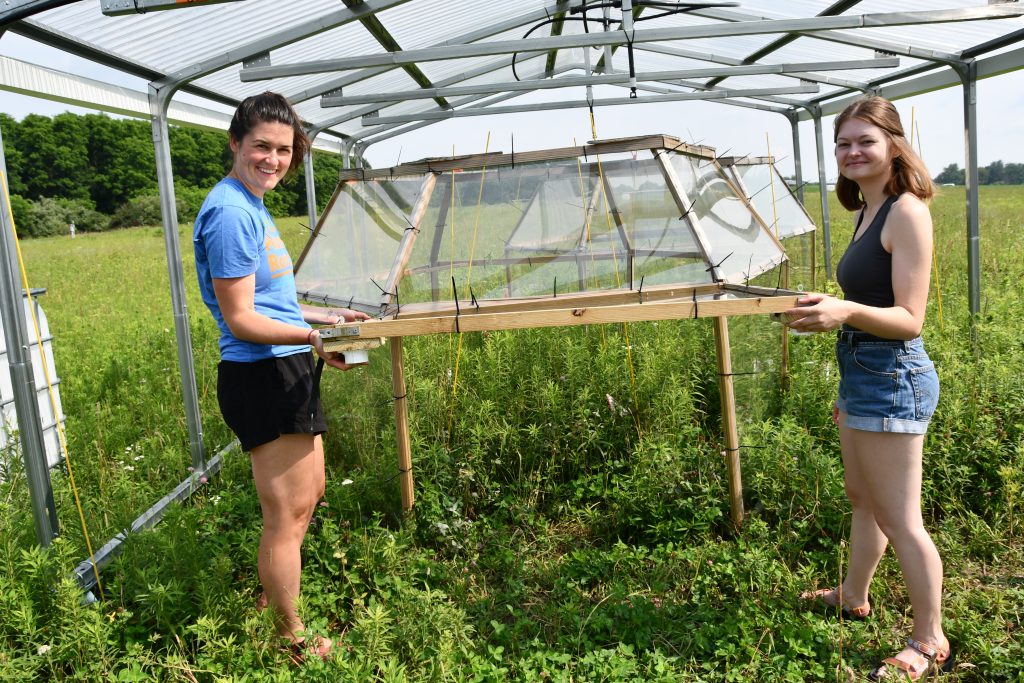
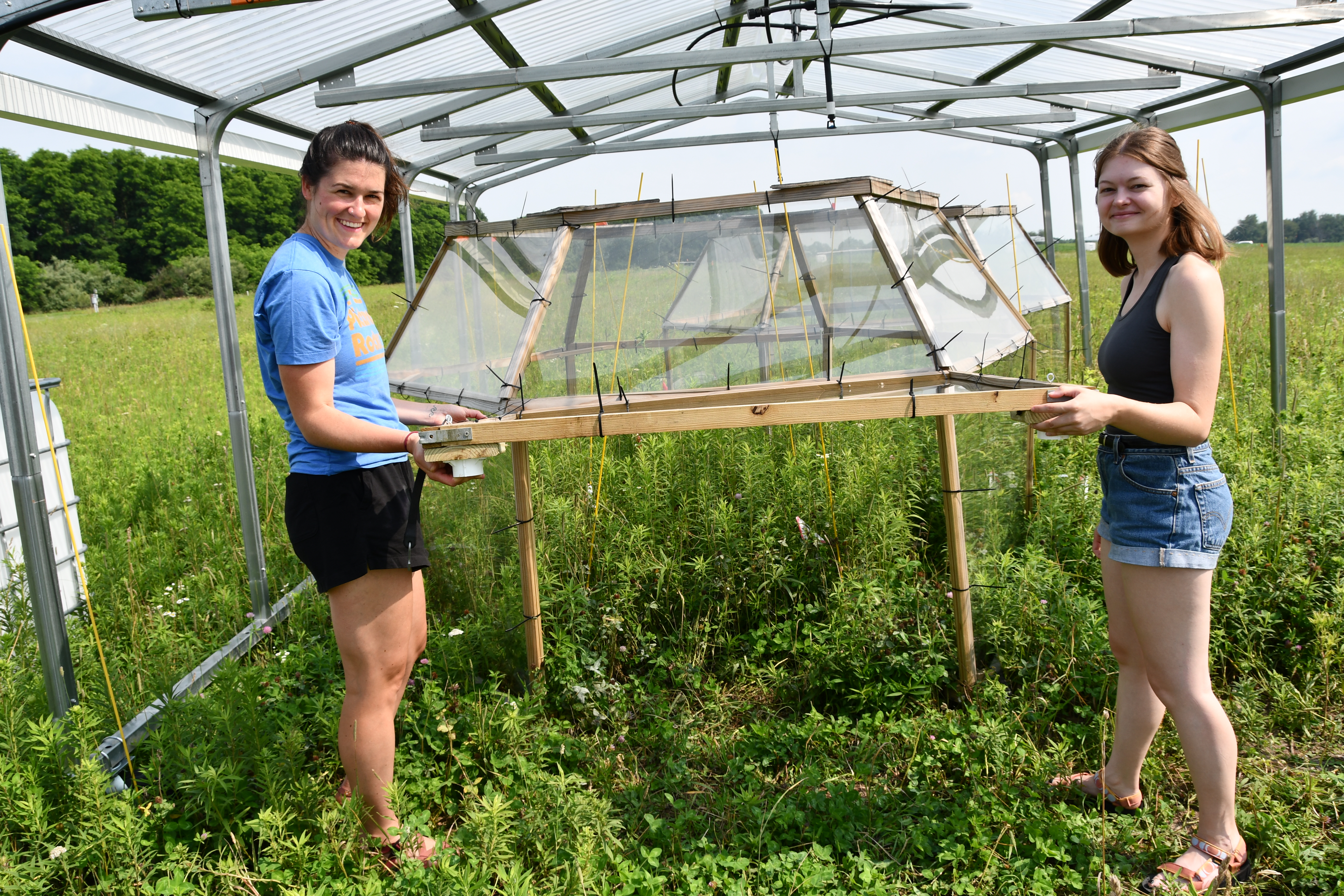
In their latest paper, the MSU team analyzed studies that used open-top chambers to investigate how temperature increases caused changes in plant traits and plant community properties. They also explored how the severity of changes varied based on location, experimental methods and plant identity.
The results were striking. MSU’s team found that plants in temperate regions with hot summers and cold winters show more pronounced responses to warming than those grown in more tropical regions with less extreme variations in temperature.
Including a broader variety of plant types in climate research, as well as coordinating these experiments across different environment and over long periods of time, will help us understand which species are likely to thrive – or struggle – in a warmer future.
“This study is unique in terms of the size of the dataset we collected,” Dobson said. “It brings together data from experiments across the globe and from all continents, including Antarctica.”
Funding for this research came from the National Science Foundation Research Traineeship Program, the Kellogg Biological Station-LTER and the MSU College of Natural Science.
A legacy of conservation; a commitment to sustainability.
3700 E. Gull Lake Drive
Hickory Corners, MI 49060
(269) 671-5117
info@kbs.msu.edu
Find us on social media.