
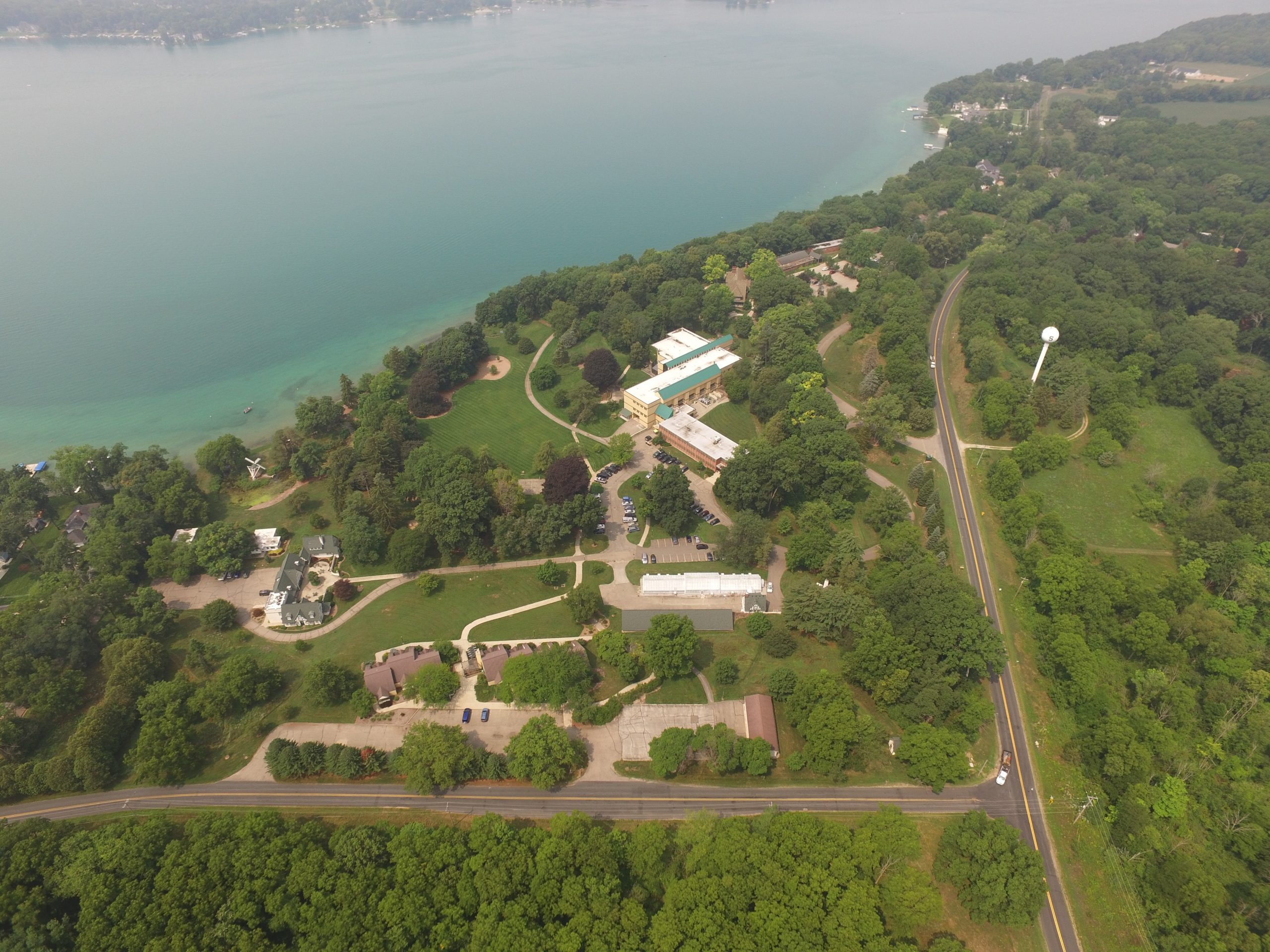
KBS academic campus
The W.K. Kellogg Biological Station, commonly known as KBS, is Michigan State University’s largest off-campus education complex and one of North America’s premier inland field stations, as well as an MSU AgBioResearch Center. KBS research is focused on fundamental ecology and evolution, and applying that knowledge to human needs.
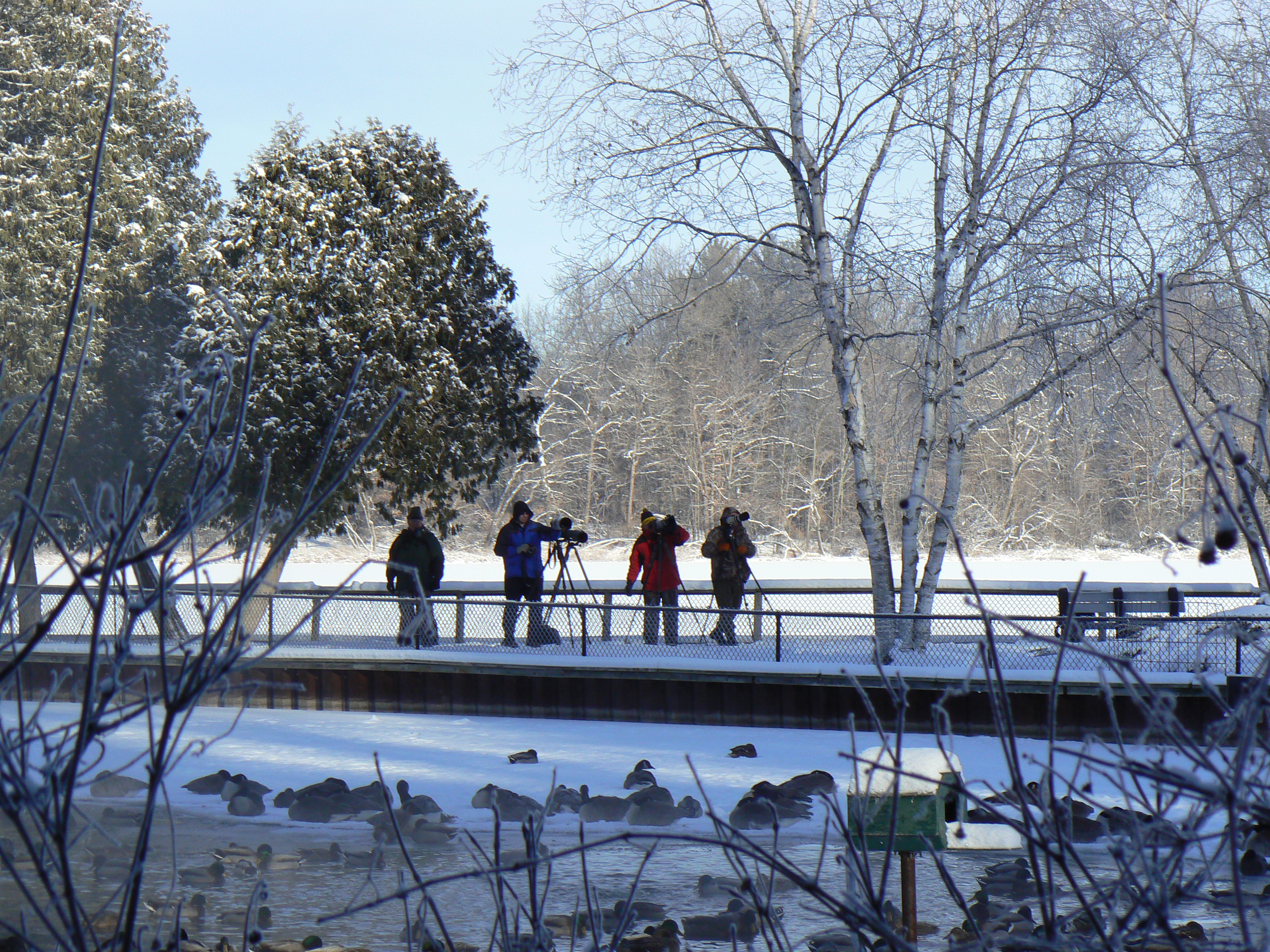
Bird Sanctuary
Located between Kalamazoo and Battle Creek, Michigan (about 65 miles from MSU’s main campus in East Lansing), the station includes W.K. Kellogg Bird Sanctuary, W.K. Kellogg Farm, KBS Academic and Research Facilities, W.K. Kellogg Conference Center and Manor House, Lux Arbor Reserve, Brook Lodge, and Marshall Farms. The nearby W.K. Kellogg Experimental Forest is closely affiliated with KBS.
KBS is unique in the world in our ability to integrate field and laboratory research, with 4,100 acres/1,665 hectares of diverse managed and unmanaged ecosystems coupled with some 100 buildings including a 64,000-square-foot main research and education facility. Currently, KBS is home to 15 resident faculty members, about 25 graduate students, 25 doctoral research associates and academic staff, as well as numerous support staff.
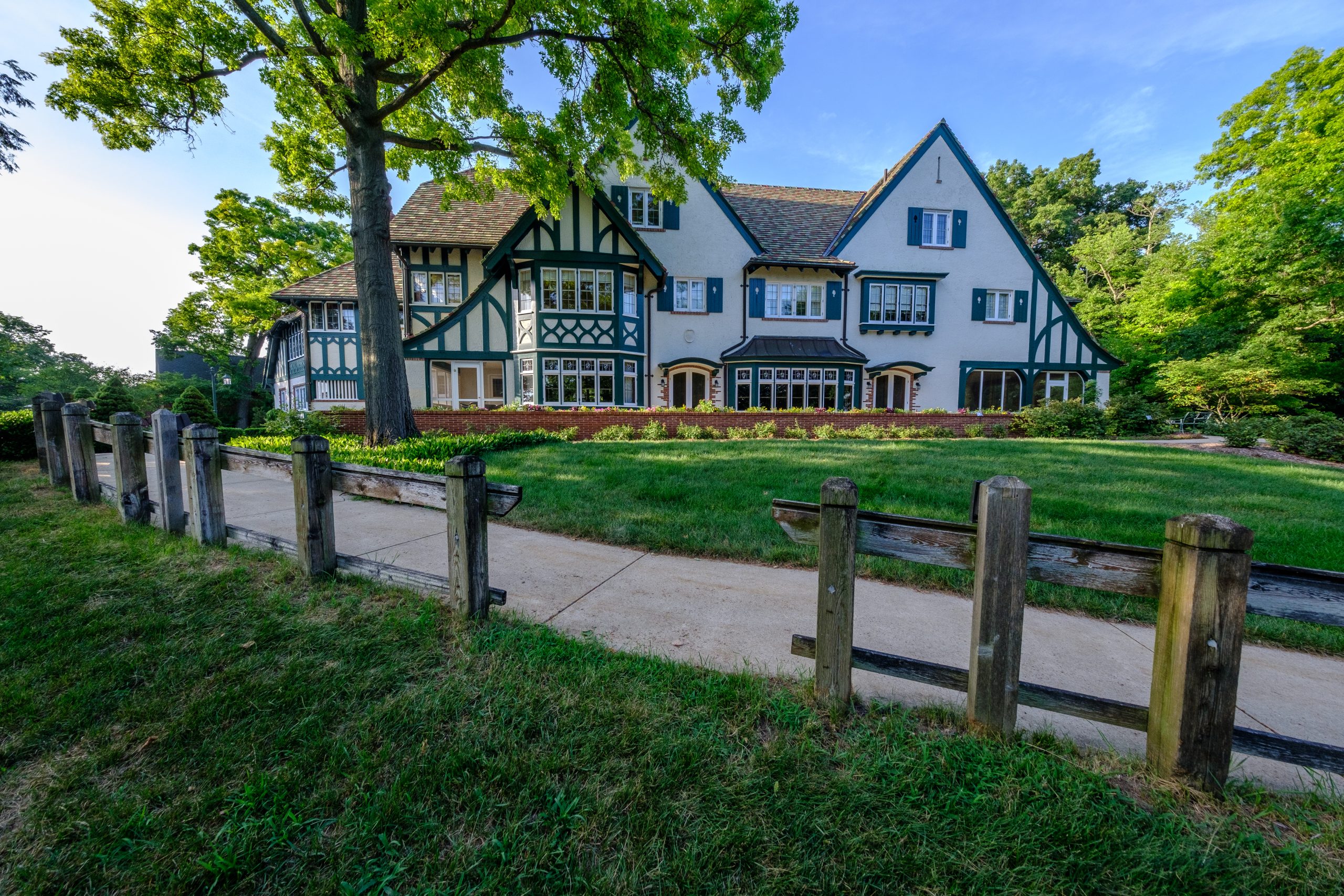
Manor House
Since 1987, KBS has been one of the National Science Foundation’s Long-Term Ecological Research—LTER—sites, and KBS more broadly supports a huge variety of studies by both resident and visiting researchers. Abundant shared-use facilities are designed to support this research, and funding opportunities are available for graduate students to develop research and participate in educational programs.
KBS is committed to sharing the results of our research through a variety of education and outreach programs.
KBS is administered through both the MSU College of Natural Science and the College of Agriculture and Natural Resources.
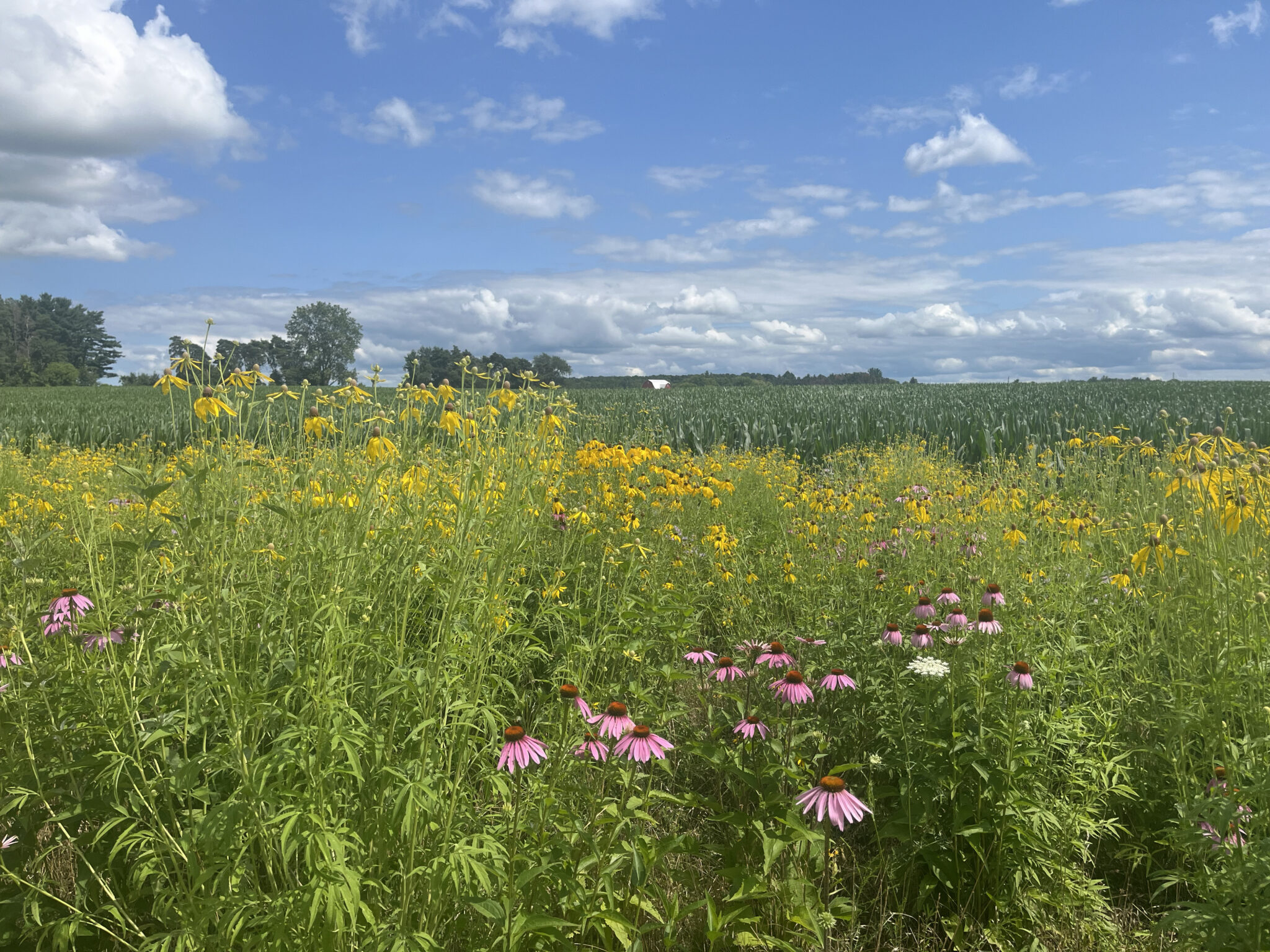
Prairie strip planting at the KBS LTER
A legacy of conservation; a commitment to sustainability.
3700 E. Gull Lake Drive
Hickory Corners, MI 49060
(269) 671-5117
info@kbs.msu.edu
Find us on social media.